







Search Results for: torrential rain disaster
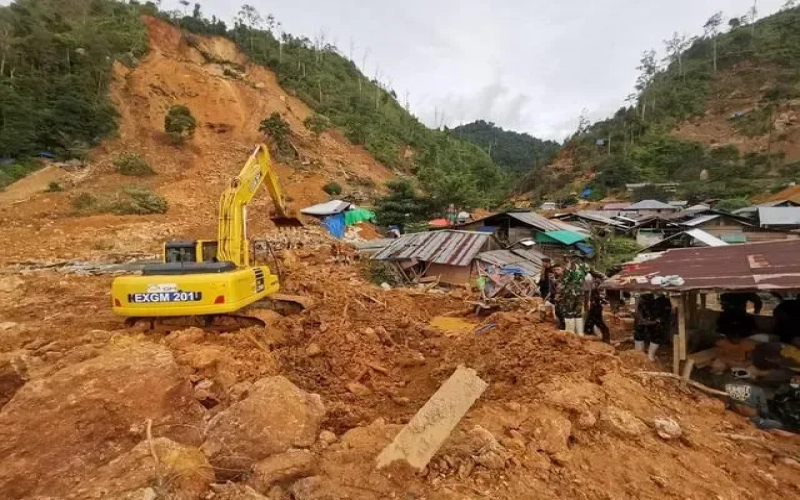
Days of heavy rain in Indonesia trigger landslides, killing multiple people; harvest in major coffee-producing areas is hindered, tightening supply.
Indonesia has recently been hit by prolonged severe weather, with landslides and floods triggered by heavy rainfall having caused dozens of casualties, and multiple provinces entering a disaster alert status. This natural disaster not only threatens the safety of local residents but also affects the country's coffee industry—major growing regions such as Sumatra, Sulawesi, and Papua are coinciding with the harvest season, and torrential rain will hinder harvest progress and cause cherries to drop, with output expected to decline. Combined with factors such as the depreciation of the Indonesian rupiah and reduced coffee production in Vietnam, international robusta prices are expected to remain high in the short term. [more…]
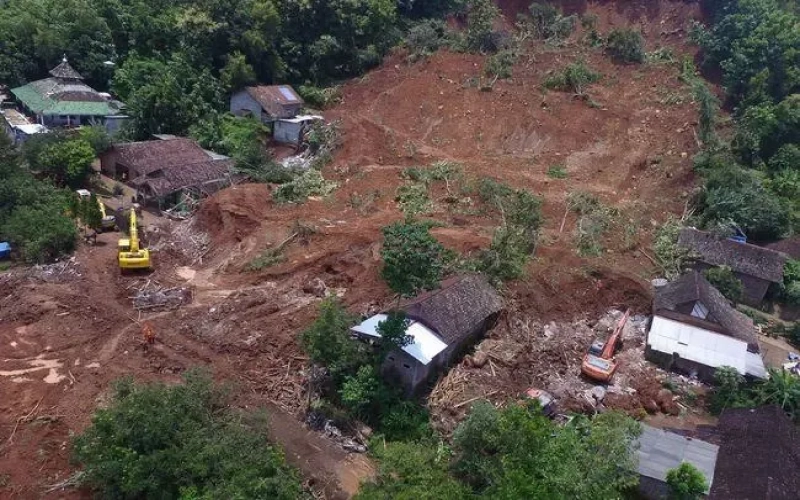
Indonesia's Sulawesi Island Hit by Floods, Robusta-Producing Regions Suffer Heavy Losses That May Drive Coffee Prices Up
Recently, many parts of Asia have been hit by extreme weather, with Indonesia bearing the brunt. Torrential rain, floods, volcanic eruptions, and landslides have struck one after another, dealing a heavy blow to multiple industries in the country, and the coffee industry has been unable to escape unscathed. After West Java and Sumatra were successively affected, South Sulawesi Province was also hit by heavy rainfall, with severe losses in regencies such as Luwu, Soppeng, and Sidrap, where roads and bridges were destroyed and farmland was flooded. This disaster mainly struck the country's Robusta coffee-producing areas, and as it coincides with the harvest season, industry insiders expect output on some islands to decline by 20%, while the country's total production may be halved. A tightening of Robusta supply could further push up international coffee prices. [more…]

Torrential Rain Hits Shenzhen Coffee Festival: Stalls Leak, Power Out, Sewage Backs Up, Event Forced to Halt and Extended by One Day as Compensation
During the May Day holiday, Guangdong was hit by severe convective weather, and the site of the Shenzhen coffee festival descended into chaos under the onslaught of torrential rain. Leaking canopies over temporary stalls, sudden power outages on site, and yellow sewage gushing from drainage outlets—a triple blow that caught vendors and visitors off guard. Although the organizers and the mall carried out emergency repairs afterward, the incident still exposed the shortcomings of outdoor events in responding to extreme weather. This article reconstructs the course of events and brings the latest news on compensation for the event's postponement. For friends who love coffee culture, Front Street Coffee will also continue to follow such industry developments and bring more on-site reports. [more…]
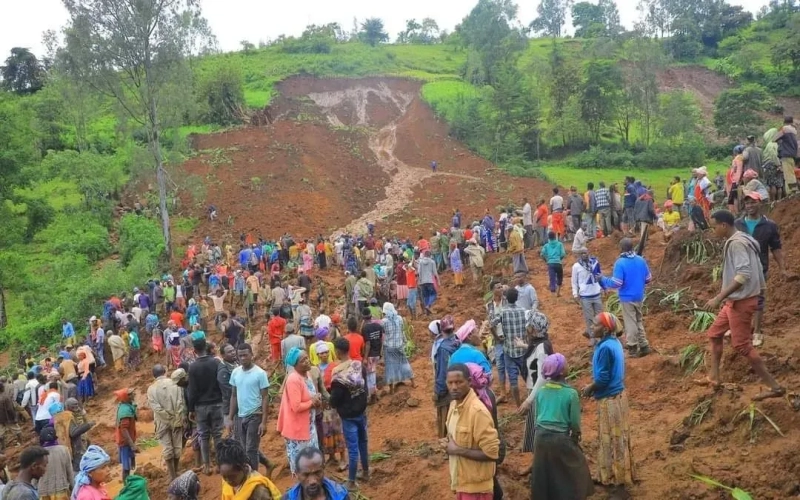
Landslide in Ethiopia's Gofa Zone Kills 229, Coffee-Growing Region Faces Risk of Reduced Output
A severe landslide occurred in the Gofa Zone of southern Ethiopia on the evening of July 21 local time. As of now, 229 deaths have been confirmed, and the casualty toll is feared to rise further. The disaster was triggered by persistent heavy rainfall, and a secondary landslide buried rescue workers. Of particular concern to coffee lovers is that the affected area covers important coffee-producing regions such as Kaffa, Jimma, and Yirgacheffe, where torrential rain and geological disasters are directly threatening the coffee-growing environment and infrastructure. At the same time, the conflict in the north and the impact of the Red Sea crisis on the port of Djibouti have plunged Ethiopia's coffee industry into multiple difficulties. Front Street Coffee will continue to follow the developments and their potential impact on the coffee supply chain. [more…]
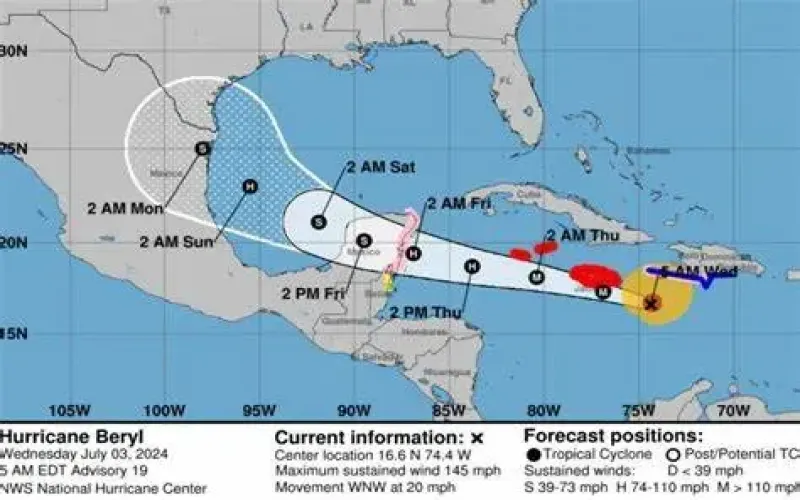
The Atlantic hurricane season is unusually active, and coffee-producing regions in Central America face a dual test of output and exports.
The 2024 Atlantic hurricane season was predicted by NOAA to be "extraordinary," with risk reaching up to three times the usual level. The first hurricane of the season, Beryl, intensified to Category 5 in July, devastating the Caribbean region, with the coffee industries of Jamaica, Haiti, the Dominican Republic, and other areas facing direct threats. Although Mexico's main coffee-producing regions are located in the south and the hurricane's path skewed northward, infrastructure damage and shipping disruptions could still indirectly affect the entire Central American coffee supply chain. Looking back at the devastation caused by Eta and Iota in 2020, the impact of hurricane season on the coffee flowering and harvest periods is especially lethal and may further exacerbate fluctuations in international coffee prices. [more…]
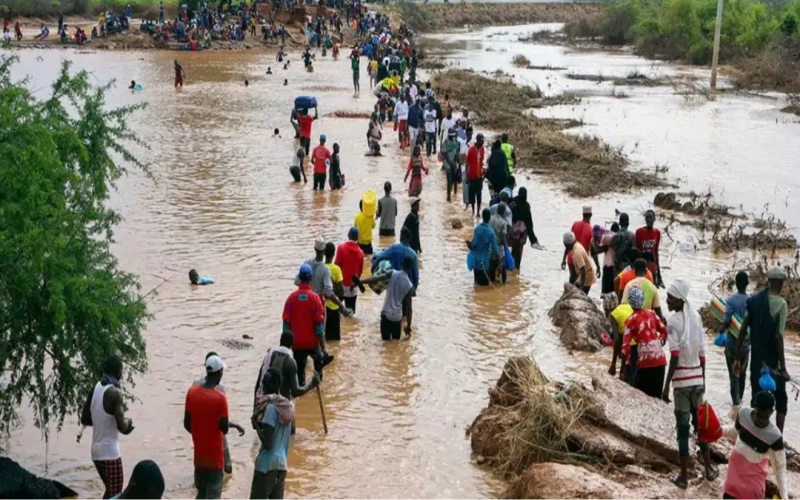
East Africa Storms Hit Coffee Regions: Farmland Flooded in Ethiopia's Sidama, Kenya's Nyeri and Beyond, Heightening Risk of Reduced New-Crop Yields
Recently, multiple East African countries have been hit by prolonged heavy rainfall and flooding, affecting major coffee-producing nations such as Ethiopia, Kenya, and Tanzania. Floods have destroyed farmland, roads, and homes, and coffee trees in their growing period face serious threats. Among them, the damage in Ethiopia's well-known Sidama region and Kenya's central producing areas is particularly concerning. At the same time, the Ethiopian government has announced the launch of its first special economic zone and signed an agreement with a Chinese company to cooperate on building the Lemi Free Trade Zone, focusing on areas such as coffee processing. This article will review the specific impact of this disaster on Africa's coffee industry and its subsequent trajectory. [more…]
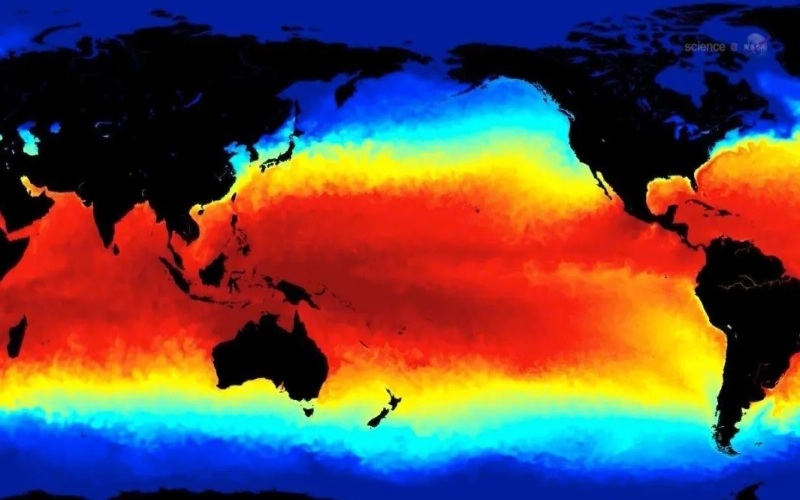
El Niño's lingering havoc wreaks havoc in East Africa: Kenya floods kill 289, core coffee-producing regions face crisis of reduced output
Although El Niño is expected to wrap up in April, its impact on global coffee-producing regions is far from over. Several countries in East Africa are being battered by both torrential rains and floods, with Kenya suffering especially devastating losses—at least 289 people have died and more than 280,000 have been forced to flee their homes. Worryingly, the hardest-hit areas happen to cover Kenya's main coffee-producing regions such as Nyeri, Nakuru, and Kiambu. With the critical flowering and fruiting stage now underway, this natural disaster has all but sealed the fate of a reduced harvest next season. Faced with the prospect of total crop failure, the Kenyan government has urgently allocated 4 billion shillings, while the International Finance Corporation, together with Absa Group, has injected US$60 million into coffee trading giant Volcafe in an effort to stabilize the East African coffee supply chain. Front Street Coffee will also continue to follow developments in the producing regions and bring coffee lovers the latest news. [more…]
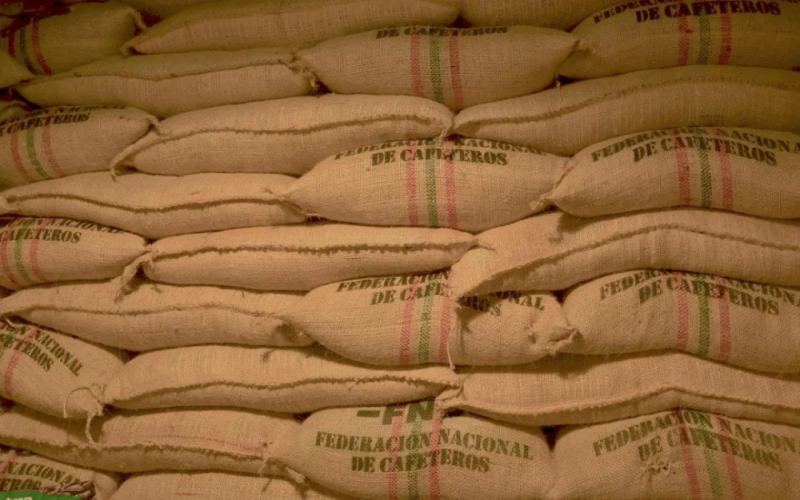
Colombia's Devastating Rains Batter the Coffee Industry, Putting Both Production Prospects and Futures Prices Under Pressure
Colombia's coffee production and exports both achieved double-digit growth in the first 10 months of this year, and the FNC at one point forecast that full-year production could reach 13 million bags. However, the country has recently been hit by extreme weather in many places—heavy rain in the capital Bogotá and surrounding areas triggered floods and landslides, and a volcanic eruption occurred in Antioquia Department, prompting the government to declare a state of disaster. This comes during the coffee tree fruiting period, and excessive rainfall may cause cherries to drop and delay harvesting, thereby affecting output and supply. At the same time, the U.S. C-price coffee futures price has once again surged to 272.03 cents per pound, and market concerns about supply in the new crop season have clearly intensified. [more…]
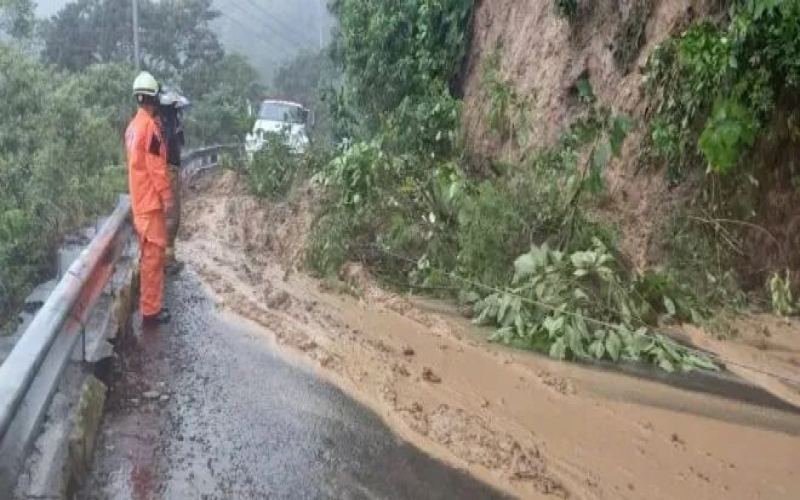
Panama's Boquete Hit by Severe Storms: Frequent Landslides Put Specialty Coffee Region to a Severe Test
Since October, Panama has entered its rainy season, but this year, under the influence of Tropical Storm Rafael, torrential rain and strong winds have been unusually severe, triggering multiple landslides and floods, with Chiriquí Province and other areas hit hard. Boquete, the core production area for Panama's specialty coffee, has not been spared either, with roads damaged, water supplies cut off, and coffee transportation blocked. Even more concerning is that the coffee harvest season is approaching in December, and continued heavy rain could damage coffee trees that are currently bearing fruit, further affecting quality and yield. This article will review the progress of the disaster and its potential impact on the coffee industry. [more…]
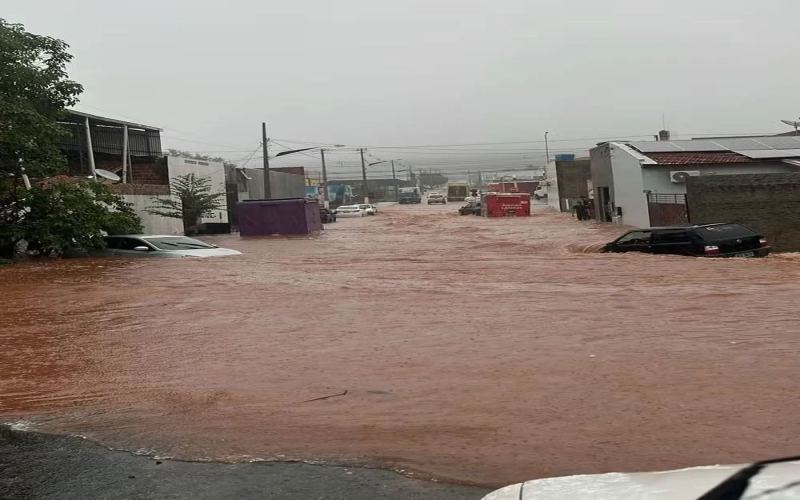
Heavy Rain in Southern Brazil Impacts Coffee Regions, Local Production May Drop by Up to 30%
Central and southern Brazil recently experienced heavy rainfall, with southern Mato Grosso and São Paulo state severely affected, impacting both transportation and power supply. Meanwhile, rainfall in Minas Gerais remains below the historical average, and the worst drought and wildfires in nearly 70 years have already caused deep damage to coffee cultivation. Although concentrated flowering occurred in October, whether the flowers will develop into fruit remains to be seen in December. Multiple institutions expect coffee production in the most severely affected areas to decline by 20% to 30%, with the potential of both the 2024/25 and 2025/26 crop years affected. [more…]
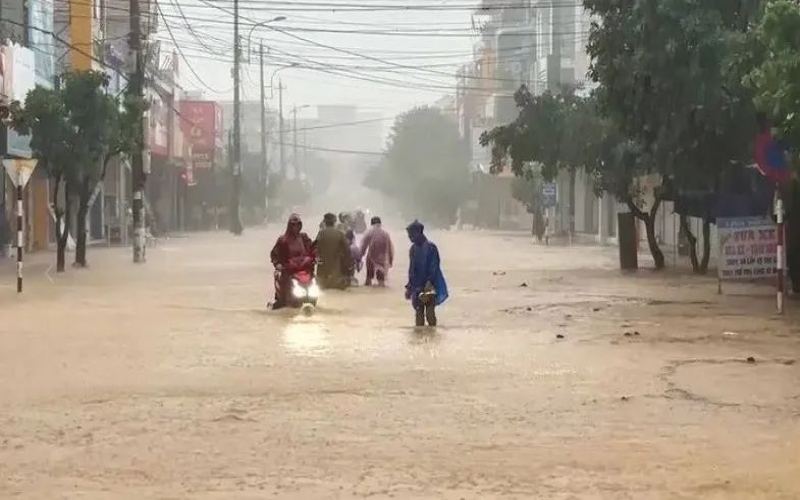
Successive Typhoons Batter Vietnam: Coffee Harvest Off to a Slow Start as Exports and Transport Come Under Pressure
Central Vietnam experienced strong winds and heavy rain after Typhoon Trami made landfall, damaging dikes, houses, farmland, and transportation and logistics infrastructure—just as the new coffee harvest season was getting underway. Looking back over the year, Vietnam's coffee industry first endured its worst drought in nearly a decade, then was hit by two typhoons in succession, Typhoon Yagi and Typhoon Trami, with the main producing areas in the Central Highlands also experiencing strong winds and heavy rain. Delayed harvesting, blocked roads, and closed ports combined to make new-crop supply even tighter; yet despite lower export volumes, export value hit a record high on rising prices. This article reviews the disaster impact, production and export data, and looks at price trends going forward. [more…]
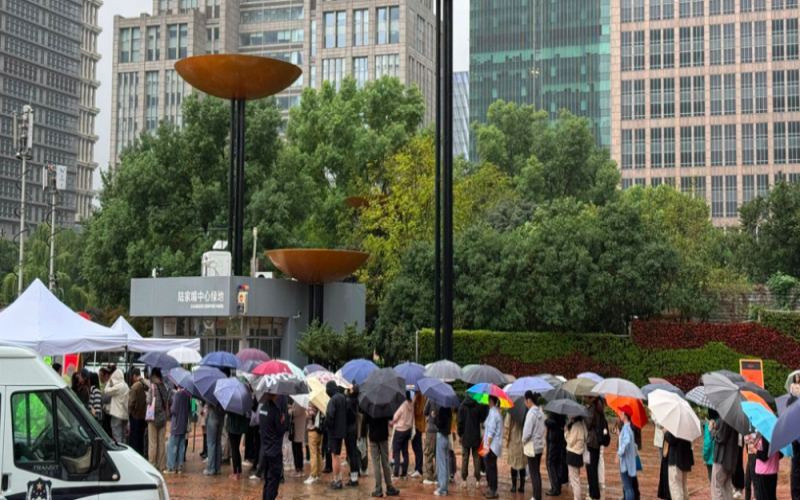
Shanghai Coffee Festival Hit by Torrential Rain: Muddy Open-Air Venue and Inadequate Emergency Preparations Spark Controversy
Recently, a coffee festival held on the grassy grounds of Lujiazui in Shanghai was hit by a sudden heavy rain, plunging what was originally a lively autumn event into a sorry mess. The rain turned the lawn into mud, some stalls leaked and lost power, and visitors struggled through the wet, slippery mud, greatly diminishing the experience. Although weather forecasts had already warned of rain over the weekend, the organizers appeared to have made inadequate preparations, sparking dissatisfaction among many participants. Still, some optimistic coffee lovers found a different kind of fun in it, even joking that they got to drink coffee with a "built-in washed flavor." Below is a detailed report on the incident. [more…]
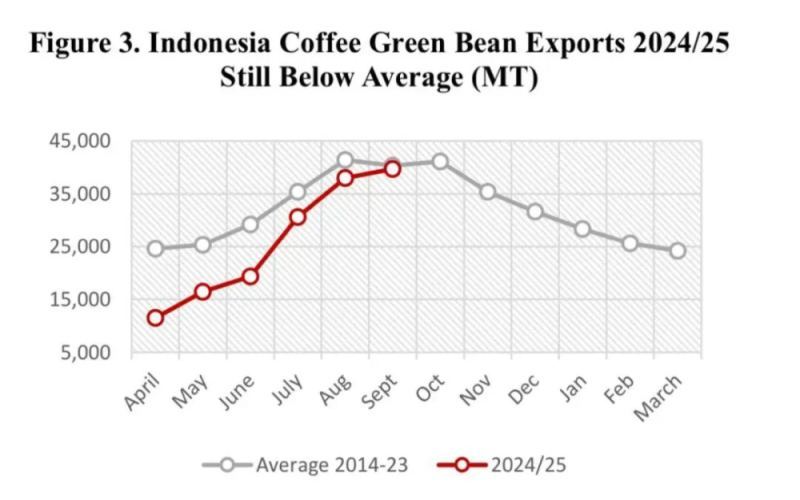
Indonesian Coffee Production Expected to Rebound to 2.4 Million Bags: Analysis of Export and Domestic Demand Trends
The latest report from the United States Department of Agriculture shows that Indonesia's total coffee production for 2024/25 is expected to increase by about 2.4 million bags (60 kg/bag) compared with the previous year, but the overall recovery remains below expectations, with production revised down by 8% year on year. Affected by strong domestic demand, the volume available for export is expected to fall by 12% to 5.2 million bags, though this is still 18% higher than exports in 2023/24. Recovery has been slow in the Robusta-producing areas of southern Sumatra, while the Arabica-producing areas of northern Lintong have suffered heavy rainfall and secondary disasters. Domestic purchasing power is weak, and consumption growth is less than 1%. The European Union had increased purchasing because of the EUDR regulations, but later postponed implementation for one year. Production in Vietnam and Brazil is unstable, and coffee prices remain high. Front Street Coffee will continue to monitor developments in producing regions. [more…]

Severe storm hits São Paulo state, Brazil: Over two million users without power, coffee-growing regions hit again
The state of São Paulo, Brazil, recently endured a violent storm accompanied by historically powerful winds, leaving at least 7 people dead, 2.1 million users without power, and severely disrupting transportation, water supply, and business operations. As an important coffee-producing region in Brazil, São Paulo state has this year been hit in succession by drought, wildfires, and torrential rain, casting a shadow over the prospects for coffee growth in the new crop season. With power slow to be restored, inventory is piling up at processing plants and the risk of port delays is intensifying. Combined with expectations of reduced output in Vietnam and other producing origins, international coffee futures prices continue to run at high levels. This article will review the impact of the disaster, the abnormal climate in the producing region, and the chain reactions for the coffee industry. [more…]
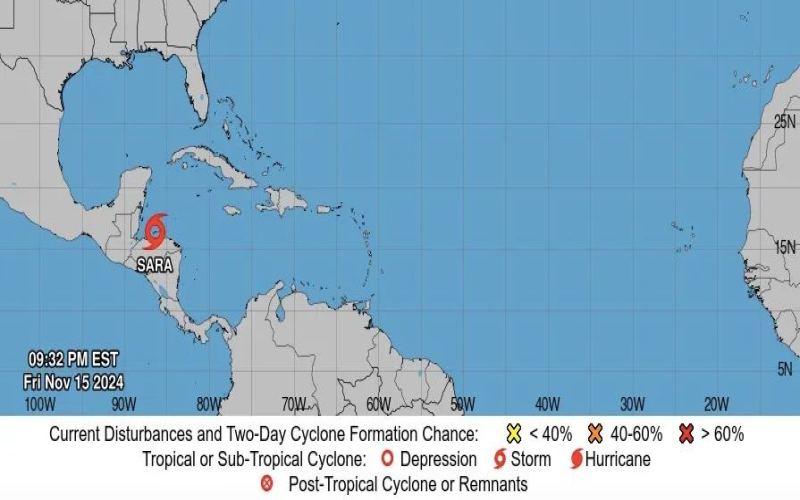
Tropical Storm Sara Devastates Honduras: Coffee Exports Disrupted, Arabica Futures Prices Hit Record High
The 18th named storm of the 2024 Atlantic hurricane season, "Sara," made landfall in northern Honduras, affecting nearly 33,000 people, and the president declared a 30-day national state of emergency. Torrential rain, flooding, and mudslides not only destroyed roads and disrupted port operations, but also struck just before the coffee harvest season, potentially dealing a severe blow to the output and exports of the world's sixth-largest coffee producer. Combined with harsh weather in producing regions such as Brazil and Colombia, Arabica coffee futures prices have soared to historic highs. This article will sort out the specific impact of the storm on Honduras' coffee industry and follow how brands such as Front Street Coffee continue to track information from producing regions. [more…]
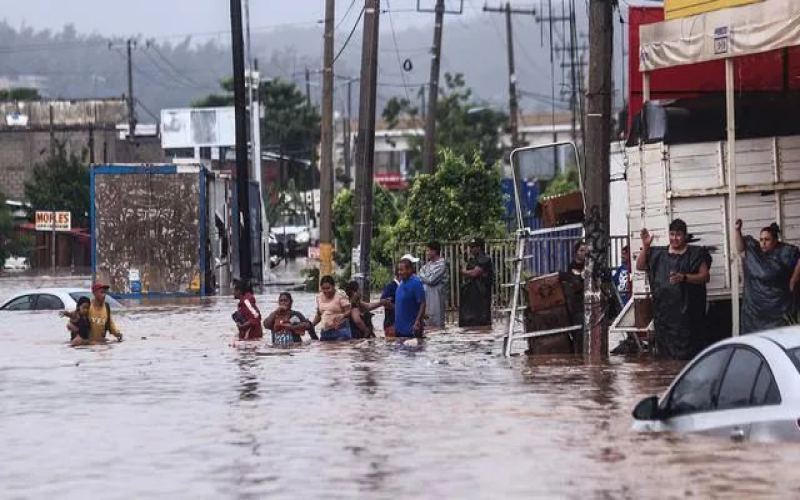
Hurricane John Devastates Southern Mexico's Coffee Belt: 16 Dead, 100,000 Households Without Power, New Crop Under Pressure
After Hurricane "John" made landfall in southern Mexico, it caused at least 16 deaths, damaged more than 700 homes, and left about 100,000 users without power, with Guerrero and Oaxaca states hit especially hard. More critically, 95% of Mexico's coffee production is concentrated in the south, and the current period is when coffee is fruiting; torrential rain knocked fruit off the trees, flooded coffee plants, and the risk of landslides compounded the damage, putting the expected increase in output for the 2024/25 season at risk of being revised downward. At the same time, global coffee prices are already at high levels due to reduced production in places such as Brazil and Vietnam, and with Mexico now hit by another climate shock, prices are unlikely to fall in the short term. [more…]

Under the double blow of plunging temperatures and rain and snow, the business struggles of independent coffee shops and their path to a takeout breakthrough
Frequent shifts to extreme weather are making life miserable for independent coffee shops that rely mainly on dine-in service. When temperatures plunge, takeout can barely keep things going, but once rain or snow hits, delivery breaks down, customers stay home, and shop owners even have to deliver orders themselves. This article examines the real operating conditions of coffee shops under different weather conditions, explores how to strike a balance between takeout and dine-in, and reveals the helplessness and hopes of industry workers who depend on the weather to make a living. [more…]
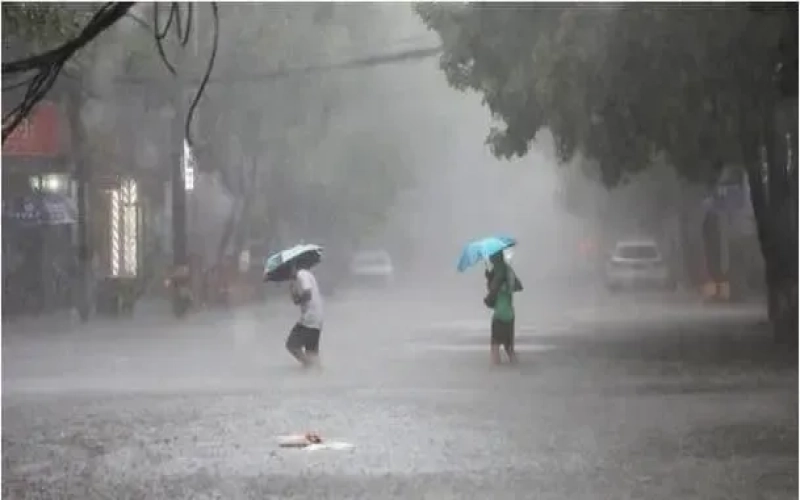
Extreme Weather and Pest Infestation Deal a Double Blow: Vietnam's Coffee Production May Continue to Decline
The World Meteorological Organization recently issued a warning that frequent extreme weather is severely impacting Asia. China, Dubai, and other places have been hit by torrential rains and floods, while South Asian countries such as Thailand, Laos, Vietnam, and Indonesia are mired in scorching heat, with temperatures in many areas exceeding 45°C. As a major global coffee-producing region, Vietnam's Robusta coffee is facing a double assault of drought and pests—reservoirs have dried up, irrigation water sources have been depleted, and cotton bollworms are spreading rapidly. Coffee farmers are being forced to increase irrigation frequency, yet have no water to use. Although rain is expected in May to ease the drought, the latest data from the International Coffee Organization show that global coffee exports grew 8.1% in March 2024, while coffee futures prices have continued to decline, creating a subtle contrast between production prospects and market trends. [more…]

The strongest typhoon to hit Shanghai in 75 years, yet Shanghai people are still devoted to a cup of coffee
During the 2024 Mid-Autumn Festival, Typhoon Bebinca, the strongest typhoon to make landfall in Shanghai in 75 years, struck head-on, putting the entire city on high alert. Yet as soon as the wind and rain let up, Shanghai residents couldn't wait to step outside and head for coffee shops. Whether independent cafés or chains like Manner, Luckin, Mstand, and Starbucks, long lines quickly formed. This article captures the scenes at Shanghai's street-side coffee shops after the typhoon, showcasing the city's deep-seated love for coffee. [more…]
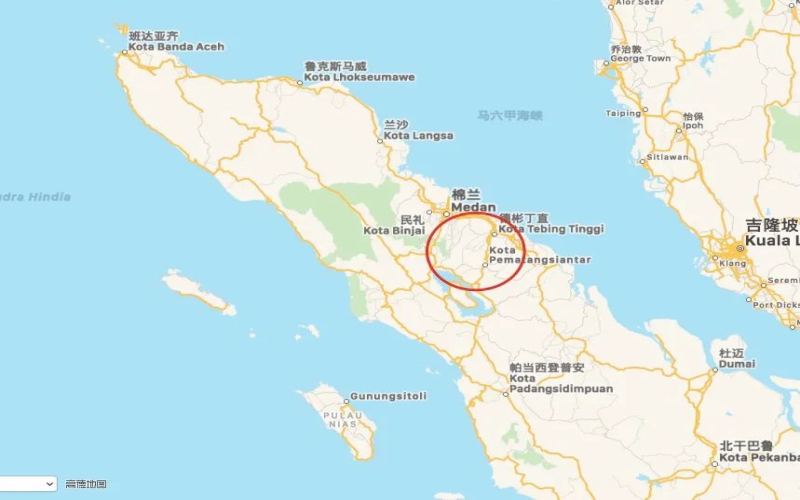
Heavy rains in northern Sumatra trigger floods and mudslides, affecting the Mandheling Arabica growing region
Recently, northern Sumatra in Indonesia has experienced continuous heavy rainfall, triggering secondary disasters such as flash floods and landslides in multiple areas of North Sumatra Province, resulting in 20 deaths and multiple injuries so far. This disaster has not only caused severe damage to local infrastructure including houses, schools, and roads, but has also directly affected the Arabica coffee-growing belt in the Lintong region of central Sumatra—the area where the world-renowned Mandheling coffee is produced. Meanwhile, Deli Serdang Regency, an important commodity transport corridor leading to the Medan seaport, has also been damaged by landslides, disrupting import and export operations. As the Arabica harvest season is currently underway, days of heavy rain may cause ripe cherries to drop and yields to decline, with the market generally holding a cautious attitude toward the supply outlook for the new harvest season. [more…]